
Three types of bariatric surgery
Three types of bariatric surgery
All procedures are performed laparoscopically
All procedures are performed laparoscopically
At Klíníkin, three types of bariatric procedures are performed, all of which are conducted under general anaesthesia via laparoscopy. In the video below, Aðalsteinn Arnarson, surgeon, discusses the procedures in detail, and a short description of each surgery can also be found on the page.
The prevalence of overweight and obesity has increased rapidly in Iceland and is now the greatest threat to the future health of the nation. The World Health Organization defines obesity as a body mass index (BMI) >30 kg/m2 and severe obesity when BMI is >35 kg/m2. In 2007, about 20% of Icelanders had a BMI >30 kg/m2, or about 60,000 individuals. It can be estimated that about one-fifth of them have a BMI >35 kg/m2, or about 12,000 people.
At Klíníkin, we offer multidisciplinary services for overweight individuals. The team consists of a surgeon, a nurse, a dietitian, and a physiotherapist who work closely together so that you can achieve the best possible results.
Welcome to Klíníkin, where our team will help you achieve results that improve your life!
At Klíníkin, three types of bariatric procedures are performed, all of which are conducted under general anaesthesia via laparoscopy. In the video below, Aðalsteinn Arnarson, surgeon, discusses the procedures in detail, and a short description of each surgery can also be found on the page.
The prevalence of overweight and obesity has increased rapidly in Iceland and is now the greatest threat to the future health of the nation. The World Health Organization defines obesity as a body mass index (BMI) >30 kg/m2 and severe obesity when BMI is >35 kg/m2. In 2007, about 20% of Icelanders had a BMI >30 kg/m2, or about 60,000 individuals. It can be estimated that about one-fifth of them have a BMI >35 kg/m2, or about 12,000 people.
At Klíníkin, we offer multidisciplinary services for overweight individuals. The team consists of a surgeon, a nurse, a dietitian, and a physiotherapist who work closely together so that you can achieve the best possible results.
Welcome to Klíníkin, where our team will help you achieve results that improve your life!
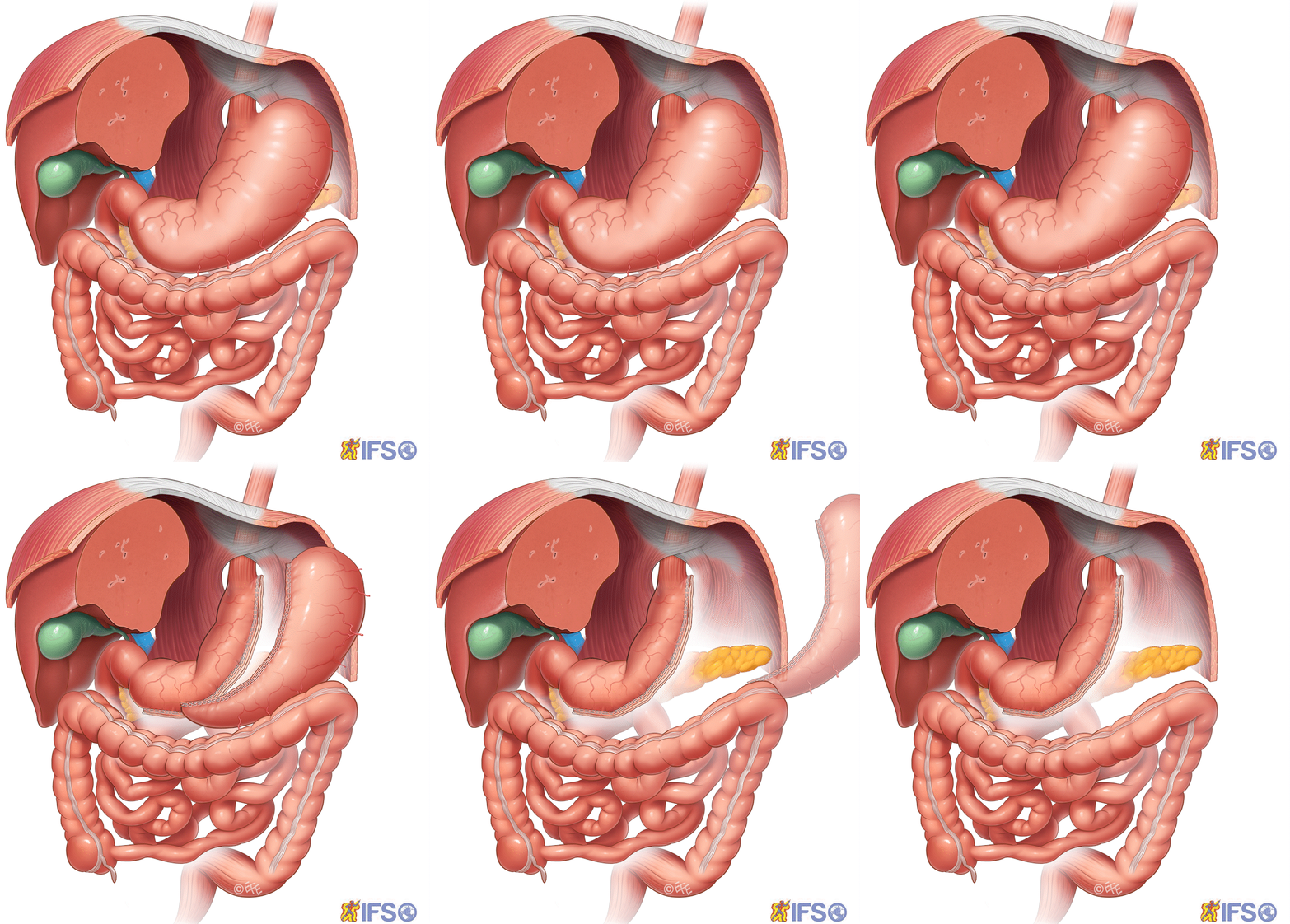
Gastric sleeve
Gastric sleeve
Sleeve gastrectomy has become the most common weight loss surgery and has been performed for over 10 years. The success rate is slightly lower compared to gastric bypass, but the procedure offers certain advantages at the same time.
The likelihood of certain long-term complications is lower than with traditional bypass surgery, most notably the risk of bowel obstruction. Patients are also less likely to experience dumping syndrome.
With a sleeve gastrectomy, 85-90% of the stomach is removed, leaving a narrow, "banana-shaped" stomach that is less than 100 ml in volume. No reconnection or bypass of the small intestine is performed. Therefore, the risk of nutritional deficiency is lower than with bypass surgeries.
Sleeve gastrectomy has become the most common weight loss surgery and has been performed for over 10 years. The success rate is slightly lower compared to gastric bypass, but the procedure offers certain advantages at the same time.
The likelihood of certain long-term complications is lower than with traditional bypass surgery, most notably the risk of bowel obstruction. Patients are also less likely to experience dumping syndrome.
With a sleeve gastrectomy, 85-90% of the stomach is removed, leaving a narrow, "banana-shaped" stomach that is less than 100 ml in volume. No reconnection or bypass of the small intestine is performed. Therefore, the risk of nutritional deficiency is lower than with bypass surgeries.
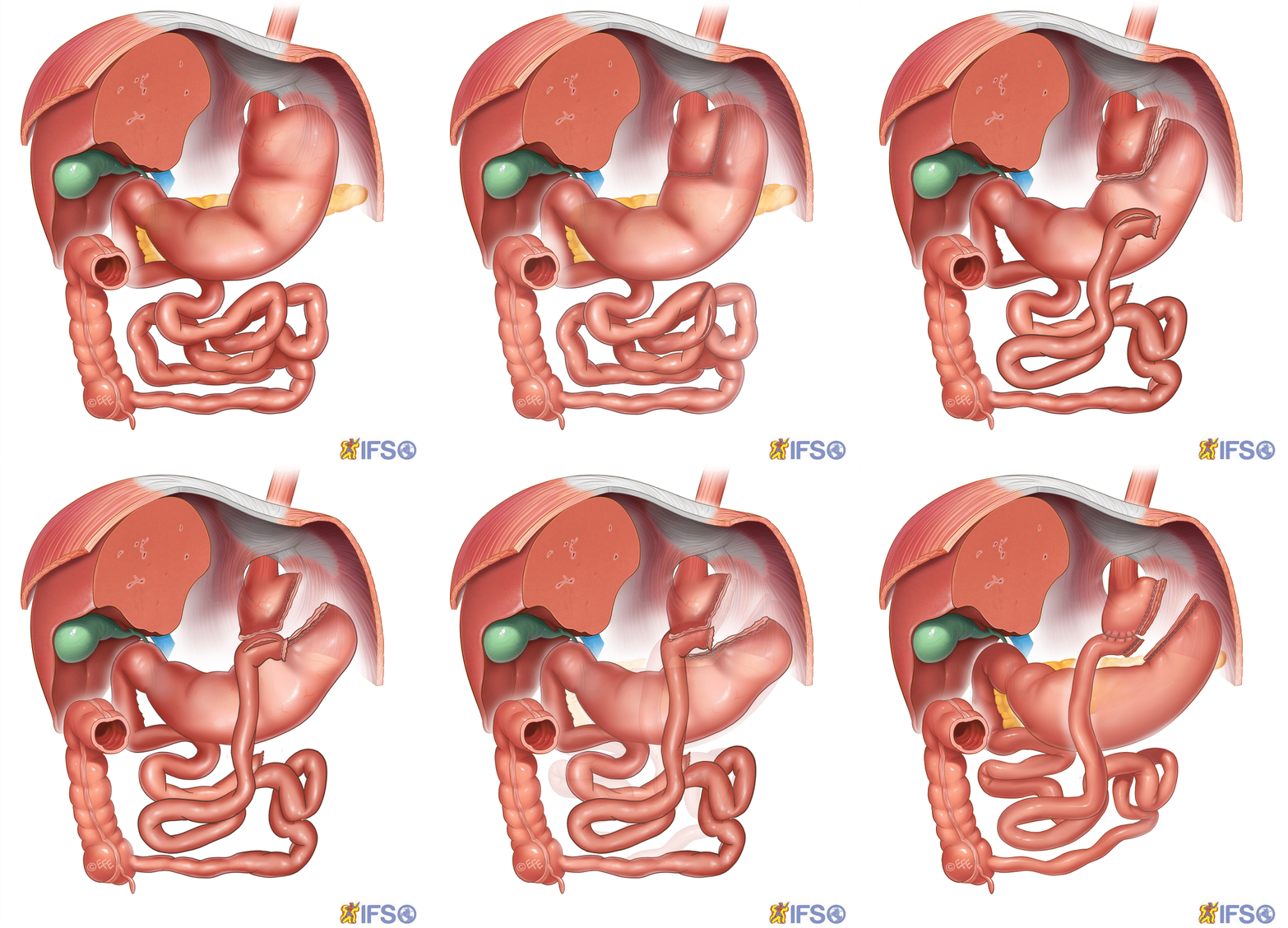
Gastric bypass
Gastric bypass
Gastric bypass surgery has been the most common bariatric surgery in recent years. There is over 20 years of experience with this type of bariatric surgery, and currently about half of all such procedures are performed this way.
In the procedure, the stomach is divided into two parts, a small stomach pouch that holds only about 20 ml (the size of a golf ball). The small intestine is then connected to this stomach pouch, thereby bypassing the larger part of the stomach, the duodenum, and the uppermost part of the small intestine.
One year after the procedure, you can expect that most of the excess weight is gone. In the long term, you can expect to lose 65-75% of excess weight.
Gastric bypass surgery has been the most common bariatric surgery in recent years. There is over 20 years of experience with this type of bariatric surgery, and currently about half of all such procedures are performed this way.
In the procedure, the stomach is divided into two parts, a small stomach pouch that holds only about 20 ml (the size of a golf ball). The small intestine is then connected to this stomach pouch, thereby bypassing the larger part of the stomach, the duodenum, and the uppermost part of the small intestine.
One year after the procedure, you can expect that most of the excess weight is gone. In the long term, you can expect to lose 65-75% of excess weight.
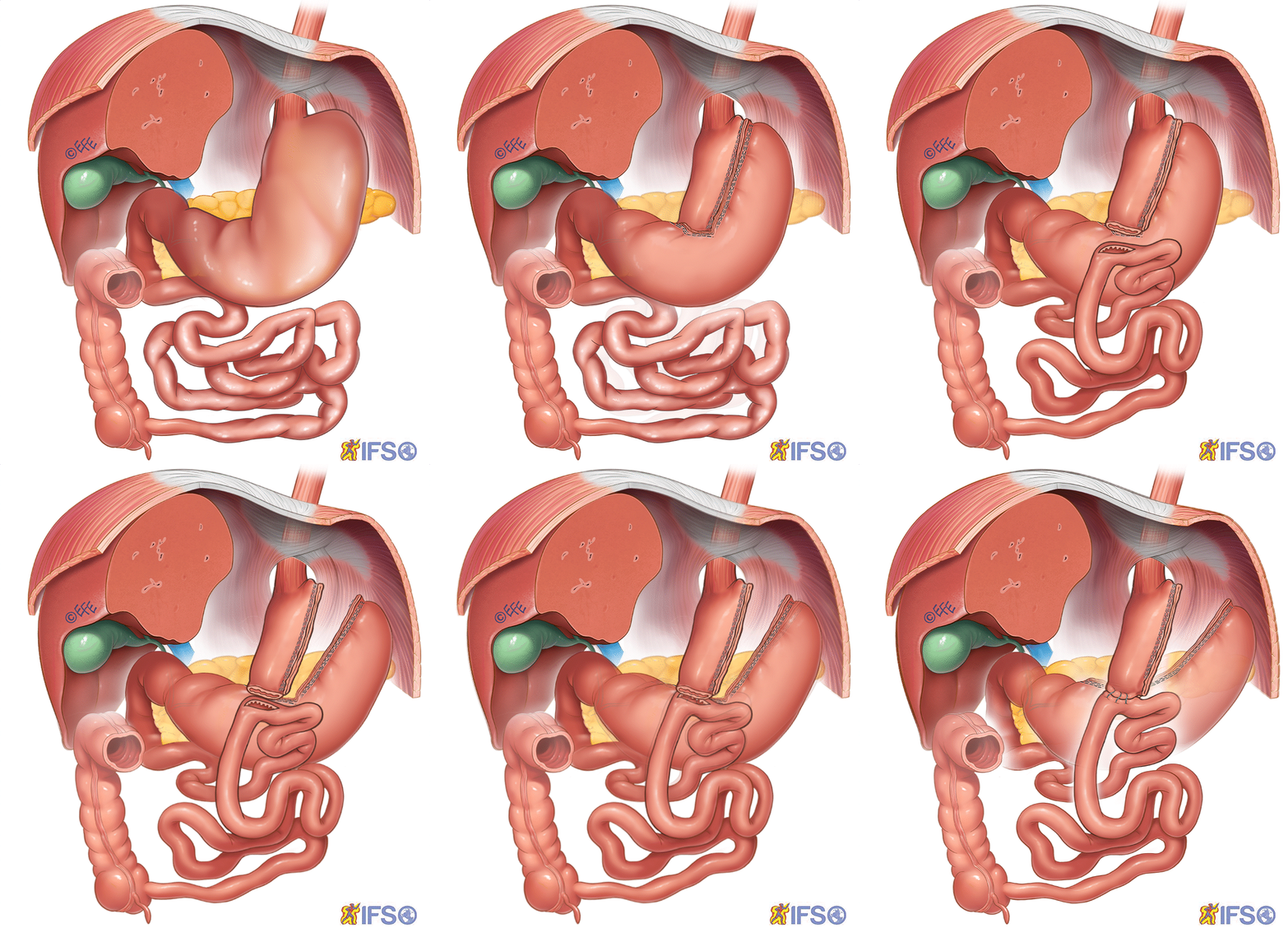
Mini-bypass
Mini-bypass
Mini-gastric bypass is one of the newest variants of obesity surgery. Its effectiveness on overweight and metabolic diseases such as type 2 diabetes is comparable to a traditional gastric bypass. The procedure is simpler than a traditional gastric bypass and, for example, only one connection is made instead of two. There is less risk of certain types of complications such as dumping syndrome and bowel obstruction. One year after the surgery, you can expect the majority of the excess weight to be gone. In the long term, you can expect to lose 65-75% of your excess weight.
In many cases, the procedure cures various comorbidities of obesity, such as type 2 diabetes, cardiovascular diseases, cancer, and prevents premature deaths. It also significantly increases quality of life due to less stress on weight-bearing joints, and many patients are cured of sleep apnoea.
Mini-gastric bypass is one of the newest variants of obesity surgery. Its effectiveness on overweight and metabolic diseases such as type 2 diabetes is comparable to a traditional gastric bypass. The procedure is simpler than a traditional gastric bypass and, for example, only one connection is made instead of two. There is less risk of certain types of complications such as dumping syndrome and bowel obstruction. One year after the surgery, you can expect the majority of the excess weight to be gone. In the long term, you can expect to lose 65-75% of your excess weight.
In many cases, the procedure cures various comorbidities of obesity, such as type 2 diabetes, cardiovascular diseases, cancer, and prevents premature deaths. It also significantly increases quality of life due to less stress on weight-bearing joints, and many patients are cured of sleep apnoea.
Lasting results
Lasting results
To ensure long-term success, it is necessary to change your lifestyle and diet. After surgery, you will likely have a low tolerance for carbohydrates and high-fat meals, which can cause dumping syndrome. You will feel better on a high-protein diet and vegetables. After this surgery, the effects of alcohol are stronger, and abuse can lead to alcoholism. People with severe eating disorders are generally not advised to undergo bariatric surgery.
Along with weight loss, gastric bypass surgery has a powerful impact on health. Over half of patients with type 2 diabetes are cured and can stop using diabetes medication. The surgery also has a very positive effect on cardiovascular disease, reduces the risk of developing many types of cancer, and decreases premature deaths. Around 80% of patients are cured of sleep apnoea. Women who have been unable to have children often become fertile after the surgery. Remember contraception! Joint pain decreases and overall quality of life increases.
To ensure long-term success, it is necessary to change your lifestyle and diet. After surgery, you will likely have a low tolerance for carbohydrates and high-fat meals, which can cause dumping syndrome. You will feel better on a high-protein diet and vegetables. After this surgery, the effects of alcohol are stronger, and abuse can lead to alcoholism. People with severe eating disorders are generally not advised to undergo bariatric surgery.
Along with weight loss, gastric bypass surgery has a powerful impact on health. Over half of patients with type 2 diabetes are cured and can stop using diabetes medication. The surgery also has a very positive effect on cardiovascular disease, reduces the risk of developing many types of cancer, and decreases premature deaths. Around 80% of patients are cured of sleep apnoea. Women who have been unable to have children often become fertile after the surgery. Remember contraception! Joint pain decreases and overall quality of life increases.
Frequently Asked Questions
Frequently Asked Questions
How much can I expect to lose weight?
What are the benefits of undergoing bariatric surgery?
Does it take a long time to recover after surgery?
Do I need to change my diet after surgery?
How much can I expect to lose weight?
What are the benefits of undergoing bariatric surgery?
Does it take a long time to recover after surgery?
Do I need to change my diet after surgery?
Do you have any questions?
Book an appointment
Do not hesitate to get in touch.

Do you have any questions?
Book an appointment
Do not hesitate to get in touch.
Do you have any questions?
Book an appointment
Do not hesitate to get in touch.

Klíníkin is a modern medical centre where specialists work together to improve your health. Our goal is to be a leader in the development of safe, high-quality medical services.
Our services
General Surgery
Contact us
app.medalia.is/klinikin/care
Ármúla 7–9, 108 Reykjavík
Opening hours:
Monday - Friday
07:30 - 16:00
The phone line closes at 15:00 on Fridays
Klíníkin is a modern medical centre where specialists work together to improve your health. Our goal is to be a leader in the development of safe, high-quality medical services.
Our services
General Surgery
Contact us
app.medalia.is/klinikin/care
Ármúla 7–9, 108 Reykjavík
Opening hours:
Monday - Friday
07:30 - 16:00
The phone line closes at 15:00 on Fridays
Klíníkin is a modern medical centre where specialists work together to improve your health. Our goal is to be a leader in the development of safe, high-quality medical services.
Our services
General Surgery
Contact us
app.medalia.is/klinikin/care
Ármúla 7–9, 108 Reykjavík
Opening hours:
Monday - Friday
07:00 - 17:30